

Listen: Signs of Squirrels
Common signs of squirrels in the attic include strange noises, strong odors, physical damage, and signs of activity. If you have noticed any of these signs of squirrels in the attic, call Critter Control at 1-800-Critter as soon as possible! Squirrels left unchecked will keep damaging your house.

Daytime activity is almost always gong to be squirrel related. Homeowners will hear scratching and running, but it’s in the daytime.
Jason Leinneweber, Division Service Manager
1. Scratching and Scurrying Noises
The number one complaint from homeowners about squirrels is strange noises early in the morning or at dusk. They search for food during the day, so they leave in the morning and return at sunset.
You may hear them scurrying around the home, leaving and reentering, possibly dragging twigs, leaves, or rolling nuts like acorns. Expect squirrel sounds in your attic, roof, ceiling, and walls.
Squirrels can make a wide range of vocalizations. Depending on their activity, you may hear a squirrel chirp when it gets excited. They also bark when they feel threatened and whistle when they feel happy. To communicate with other squirrels, they chatter.
2. Droppings and Urine Stains
Squirrel droppings are pill-shaped and cylindrical, sometimes with tapered ends. You will find them near nesting areas in the attic. The feces are predominantly brown like rodents but can range in color, including light brown, reddish, or greenish.
Urine stains on ceilings or strong ammonia-like odors can indicate a long-term infestation.
3. Entry Points (Holes or Damage to the Exterior)
Squirrels only need a gap about 3 inches wide. Squirrels can gnaw through most home construction materials like wood, vinyl siding, shingles, and even aluminum. The most common entry points for squirrels are around the roofline, including the soffits, eaves, fascia boards, construction gaps, vents like gable vents and roof vents, the roof returns, and chimneys. These holes can lead to water damage. In extreme cases, the water damage rots away the wood, creating a large gap.


You may see chewing (woodchips on the ground) but that is rare. Whether it’s scratching, chewing, or running, these noiss alert most homeowners to a problem with squirrels.
Jesse Fraser, franchise owner Critter Control of New Hampshire
4. Nesting Materials and Insulation Damage
Squirrels generally enter attics looking for safe, secure places to create nests. In the spring and the fall, these nests are to give birth and protect the kits. Squirrels use twigs, leaves, shredded paper, cardboard, and even bunched-up insulation.
Baby squirrels sound like young birds due to their soft, high-pitched chirping. They bunch twigs, leaves, shredded paper, or insulation together in attic corners.
Squirrels in the attic can ruin the insulation. Squirrel activity can compress insulation. Squirrels tear insulation to use for nests, and their droppings and urine contaminate it. Squirrels create food caches of seeds and nuts like acorns. Food caches stored in the attic can decay and further damage insulation. All of these things reduce the house’s energy efficiency.
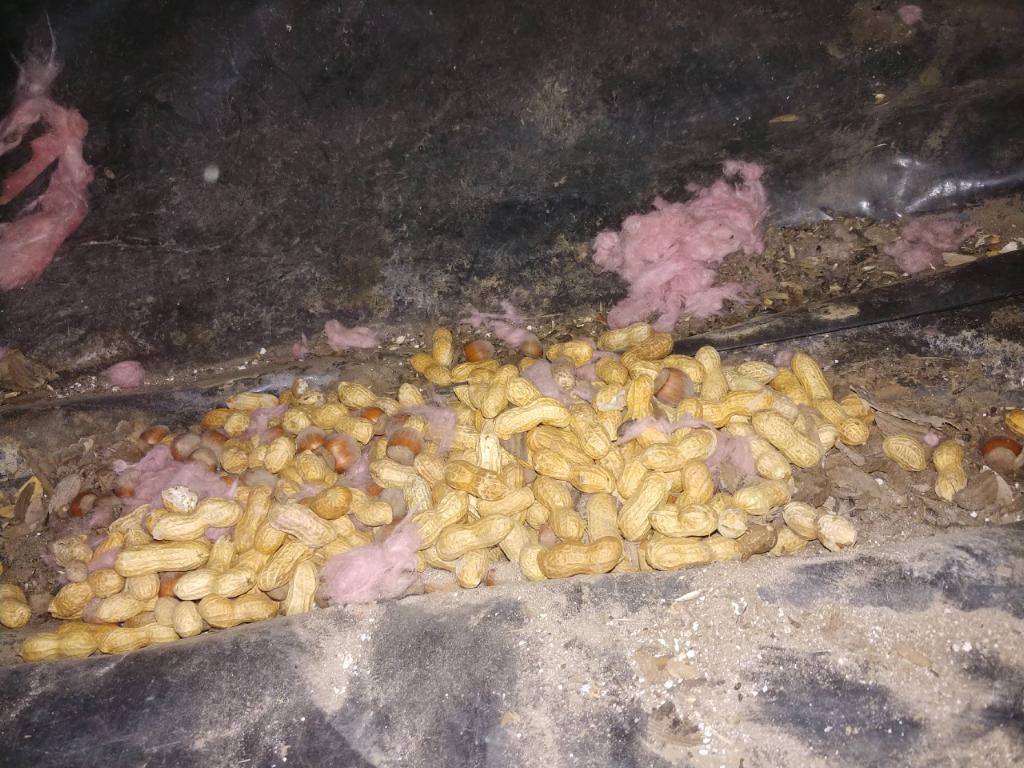
5. Chewed Wires and Structural Damage
Look for gnaw or teeth marks in the attic. Squirrels like all rodents constantly gnaw. They will chew on everything inside the attic. They will damage wood, insulation, ductwork, and stored belongings. Gnawing becomes especially dangerous when squirrels chew electrical wires and pipes. Squirrels could puncture pipes, creating leaks and water damage. Squirrels can fray electrical wires, increasing the risk of house fires.
7. Squirrel Tracks
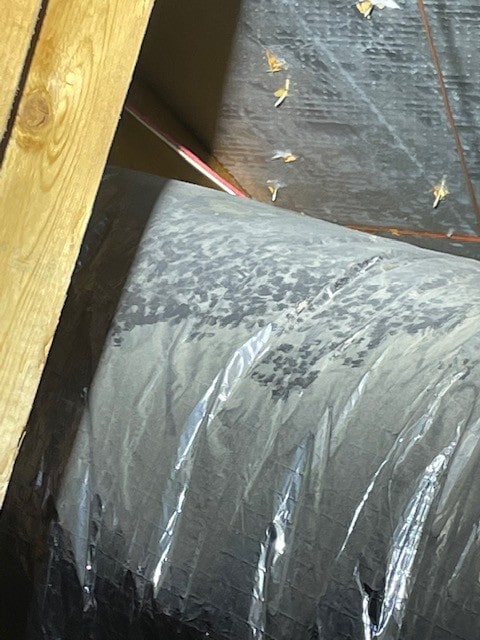
Finding squirrel tracks in the attic is not as common but still a clear sign of squirrel activity. Homeowners can most easily identify squirrel tracks in dust.
Squirrel tracks are relatively small, about two inches long. Squirrels have front paws with four narrow toes tipped with tiny claws. A squirrel’s larger rear paws also feature five distinct toes with a large pad at the heel.
6. Increased Squirrel Activity Outside
An increase in squirrel activity in the yard might be a sign of a squirrel infestation. Squirrels will nest close to a food source. So if it seems like the same squirrel is raiding the bird feeder, be on the lookout for these other signs of squirrels.
Pay attention if the squirrel activity moves from the yard to the roof. if you see a squirrel suddenly disappear, it might have disappeared into your attic.
7. Foul Odors from Dead Squirrels
Squirrel droppings and urine create a strong ammonia stench. If a squirrel becomes trapped and dies, it can cause a strong rotting odor. This can attract flies and other pests to the attic.
How Do I Tell Signs of a Squirrel in the Attic vs Other Rodents?
Flying squirrels, rats, mice, and tree squirrels are all rodents that can get into the attic. The signs of these pests are similar.
Signs of Flying Squirrels in Attic
Squirrels are diurnal. Flying squirrels are nocturnal. Hear squirrel noises at night probably a flying squirrel.
Signs of Rats in Attic
Squirrels stay in the attic. You might find evidence around the house of rat problems including droppings along the walls and in the kitchen. Rat noises in different places like above the ceiling, inside the walls, across your floor.
Professional Squirrel Removal Near You
If you find signs of squirrels in the attic, move quickly to get them out. The longer the squirrels live in the attic, the more damage is done. Critter Control has been trusted to provide fast and efficient squirrel removal for over 40 years.