

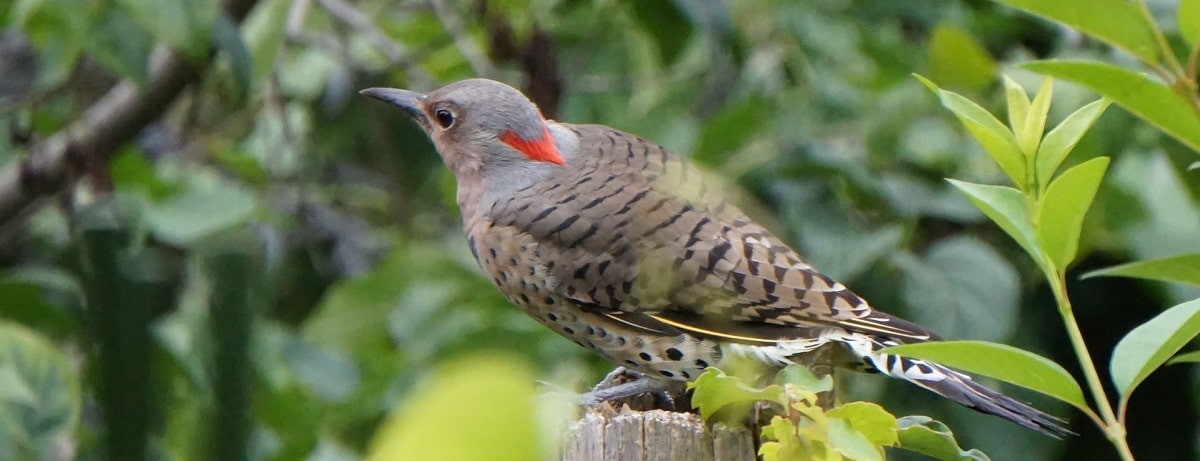
Various species of woodpeckers can be found and heard throughout the forested regions of North America. Do you suspect woodpeckers are living on your property? Woodpeckers are known for their drumming habits, primarily heard in forested regions of North America. Hearing these sounds in nearby trees means woodpeckers are on your property, and your home is at risk of damage. Woodpecker control experts understand the bird’s behaviors, habits, and habitats and have effective methods to prevent damage, which is why calling them at the first sign of woodpeckers on your property is crucial.
Signs of Woodpeckers
There are tell-tale signs that woodpeckers are active on your property. The most vulnerable places are the ones where insects reside. For example, having termites in a tree or a specific area in your home will attract woodpeckers.
The most common signs to look for are woodpecker holes, like the following:
- Gleaning holes are created by woodpeckers investigating an area to see if insects are present.
- Hunting holes are tiny taps that woodpeckers make to listen for insect activity.
- Bark scaling is removing a top layer of bark to search for insects.
- Bark sloughing is completely removing sections of bark to access insects.
- Sap wells are tiny holes drilled in lines around a tree so woodpeckers can access the sap, which attracts insects.
- Pecking is a hole made by direct pecking once they target an insect.
- Excavations are large holes created by woodpeckers, likely due to an insect infestation.
- Food caches are where woodpeckers store foods other than insects for colder months.
- Nesting holes are larger cavities used for warmth, storing food, laying eggs, and raising a brood.
Professional Woodpecker Removal Services
Wildlife removal professionals have exceptional knowledge of how to get rid of woodpeckers on your property. All species of woodpeckers are listed as migratory non-game birds. They are protected by the Federal Migratory Bird Treaty Act, with state and federal protections. They cannot be harassed or forcibly removed from your property. They especially cannot be killed unless permission has been granted by the U.S. Fish and Wildlife Service Department, using the required applications and receiving a permit.
Experts, like those at Critter Control, know how to get rid of woodpeckers using safe and humane methods that follow all laws and regulations. It is essential to let the professionals handle the removal process.
Woodpecker Control and Exclusion
While trapping and releasing woodpeckers does not keep them off your property, there are other ways to ensure the birds do not return. For example, Critter Control professionals have multiple woodpecker deterrents. Physical exclusions are the most effective techniques and may include:
- Netting.
- Frightening devices.
- Repellants.
- Covering all woodpecker holes.
- Treating insect infestations.
Find Service in your Area:
Get them out.
Keep them out.®
Experiencing a pest woodpecker issue? We can help! Complete this form and your local Critter Control® office will contact you to assist.


Woodpeckers look like small to medium-sized birds, ranging from seven to 15 inches long. They have distinct plumage that features black, brown, and white patterns. One of the most prominent features is vivid red markings around their faces. Woodpeckers have short legs with one or two backward-pointing claws, called a zygodactyl foot, which aids in scaling trees and structures.
Woodpeckers have sticky, barbed tongues used to dislodge and grasp insects and other food sources. Their sharp, pointy beaks have three layers: a scaly keratin layer, a layer of porous bones, and a large cavity with inner bones and collagen fibers.
Woodpeckers nest and roost in cavities of hollow or dead trees. The birds are found in deciduous and coniferous forests around the country and usually live near streams or other water sources. Forested swamps, orchards, city parks, and wooded lots are also favored woodpecker nesting sites. Woodpeckers look for dead or rotting wood, which they can use to forage insects. If sections of your home have rot and attract bugs, a woodpecker may try to live there or nearby.
You may want to check your home for insects that attract woodpeckers, including:
- Ants.
- Bees.
- Termites.
- Beetles.
- Wasps.
- Wood roaches.
- Spiders.
- Flies.
Many species are crucial to our ecosystem. Without them, nature would be imbalanced. Without woodpeckers, the insect population could be uncontrollable, damaging homes, crops, gardens, and more. In addition, other animals needing a den for the winter use their nest holes.
Woodpeckers also consume decaying organic matter while excavating for bugs. They drop this matter as they fly, and spreading it helps it decay in other areas. Because of their many benefits, woodpeckers are protected under the Federal Migratory Bird Treaty Act.
Homes that border wooded areas generally endure heightened woodpecker activity. They can quickly move from pecking trees to drumming on buildings’ siding, trim, and eaves. Woodpeckers like to hear the echoes of their drumming or drilling. If they can make it louder by drumming on metal, they will.
Woodpeckers are believed to do this because buildings’ amplification and resonation mimic that of trees. They may even peck your downspouts, gutters, siding, and metal tanks. Drumming and drilling sounds help birds mark their territory, recognize mates during courtship, and alert other birds of danger.
If any part of your home, shed, or outbuilding resembles a tree or is host to food sources, woodpeckers may become active there. The same is true if your yard contains trees that attract woodpeckers.
Woodpeckers damage homes by drilling holes in wood siding. Most damage occurs in the spring and fall when males attempt to attract mates with territorial hammering. Some species of woodpeckers will store food supplies, such as acorns and nuts, in drilled-out areas beneath wood siding and shingles. Sapsucker woodpeckers weaken trees over time with their constant drilling, which prevents trees from receiving nutrients and leaves the affected trees susceptible to harmful insects and diseases.
Woodpeckers’ drilling and drumming activities can leave holes in wood beams and supports, making structures unstable. The holes they make encourage insect infestations. Rainwater seeps into the holes, further deteriorating wood and causing mold to grow. Woodpeckers damage trees, but they can also cause significant harm to your home’s wood and metal structures. They may peck at electrical lines and plumbing when their beaks break through the siding. A break in electrical lines puts your home at risk for fire, and plumbing leaks can lead to flooding and mold growth.
Physical exclusions are the most effective way to repel and prevent woodpeckers from damaging your home. At the same time, you must consider and protect nature and one of nature’s most valuable resources, the woodpecker. Professional woodpecker control and removal offers comprehensive services to cover everything needed to repel and prevent woodpeckers safely and humanely.
Experts at Critter Control provide services like the following:
- Repairing and painting over all woodpecker holes.
- Using visual aids to deter a woodpecker.
- Preventing insects from nesting around the home, as the lack of readily available food sources will force the birds to move on to new locations.
- Covering damaged areas with screens, netting, or predator decoys can also help limit woodpecker damage.
You cannot forcibly remove a woodpecker from your home or property due to their legal protections under the Federal Migratory Bird Treaty Act. Further, trapping a woodpecker is ineffective, as the birds can fly back to your property after release. Woodpeckers return to the same sites regularly once finding a food source.
If a woodpecker is stuck in your home, wildlife control experts can remove it using the proper gear and permits. Contacting trained wildlife professionals ensures that the removal of woodpeckers is done safely and humanely. While woodpeckers are not known to be disease-carrying species, trying to remove one yourself puts you at risk of being pecked, which can be painful. Critter Control specialists have the tools and experience to carry out woodpecker control removal and implement exclusions that will keep your property free from future woodpecker activity.