

Hours of Operation
Monday-Friday 7:00 a.m. – 6:00 p.m.
Saturday 8:00 a.m. – 4:00 p.m.
Sunday Closed
Find Mice Control Near You
By County: Crawford, Franklin, Gasconade, Jefferson, Lincoln, Montgomery, Pike, Ralls, Saint Charles, Saint Francois, Saint Genevieve, Saint Louis, Warren and Washington Counties
- Affton
- Arnold
- Ballwin
- Bellefontaine
- Brentwood
- Bridgeton
- Caseyville
- Chesterfield
- City of Clayton
- City of Saint Charles
- City of Troy
- Cotterville
- Crestwood
- Creve Coeur
- Des Peres
- Earth City
- Ellisville
- Eureka
- Fenton
- Ferguson
- Florissant
- Frontenac
- Hazelwood
- Ladue
- Lake Saint Louis
- Maplewood
- Maryland Heights
- O’Fallon
- Olivette
- Pacific
- Richmond Heights
- Saint Albans
- Saint Ann
- Saint Johns
- Saint Peters
- Shrewsbury
- Sunset Hills
- Town and Country
- University City
- Webster Groves
- West Alton
- Wildwood
Best Mouse Control in St. Louis



Get a Free Quote
Call Today

Ask about in-house financing options.

One-Year Warranties on Exclusions
Too Busy To Call
Too busy to call?
Request a callback from us!
"*" indicates required fields
Online Bill Pay
Have you seen small droppings along baseboards? Gnaw marks in the pantry?
If you suspect you have mice on your property, time is of the essence, as these small creatures multiply quickly and cause costly damage. Mice are one of the most common and damaging pests; they gnaw through walls, electrical cables, and food containers to reach their favorite foods. Mouse control services from Critter Control will eliminate the entire infestation, restore your property to its original condition, and protect your home from future infestations.
How Can I Tell if I Have a Mouse Problem?
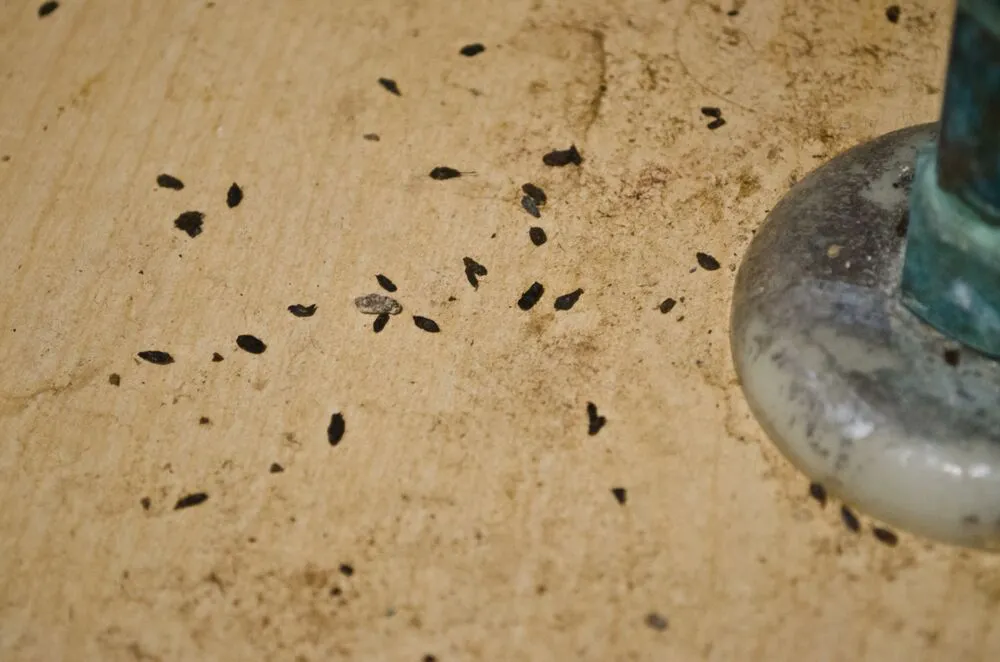
A mouse infestation can be tricky to identify because mice prefer to come out at night. Confirming you have mice is the first step towards solving this problem. While you may not see these mice at work, they do leave some definitive signs, including:
- Droppings: Mice leave behind small, dark pellets wherever they travel, such as along walls, in your pantry, on kitchen counters, and under sinks.
- Scurrying Noises: Scratching and squeaking noises from your walls or ceilings at night can mean mice are busy with their destructive work.
- Gnaw Marks: Mice have incisors that grow continuously throughout their lives. They gnaw through wood, wires, cardboard, plastic, and sometimes even metal to get to food and keep their teeth filed down.
- Odd Pet Behavior: Cats and dogs may stare at a wall, paw under a refrigerator, or even bark when they sense mice.
- Smudge Marks: When mice travel along baseboards or walls, they often leave dark smudge marks of dirt and oil along their path.
- Foul Odor: When mouse urine accumulates, you might notice an ammonia smell.
How Do Mice Get Inside My Home?
Mice don’t need a big entry gap because they can squeeze through tiny holes.
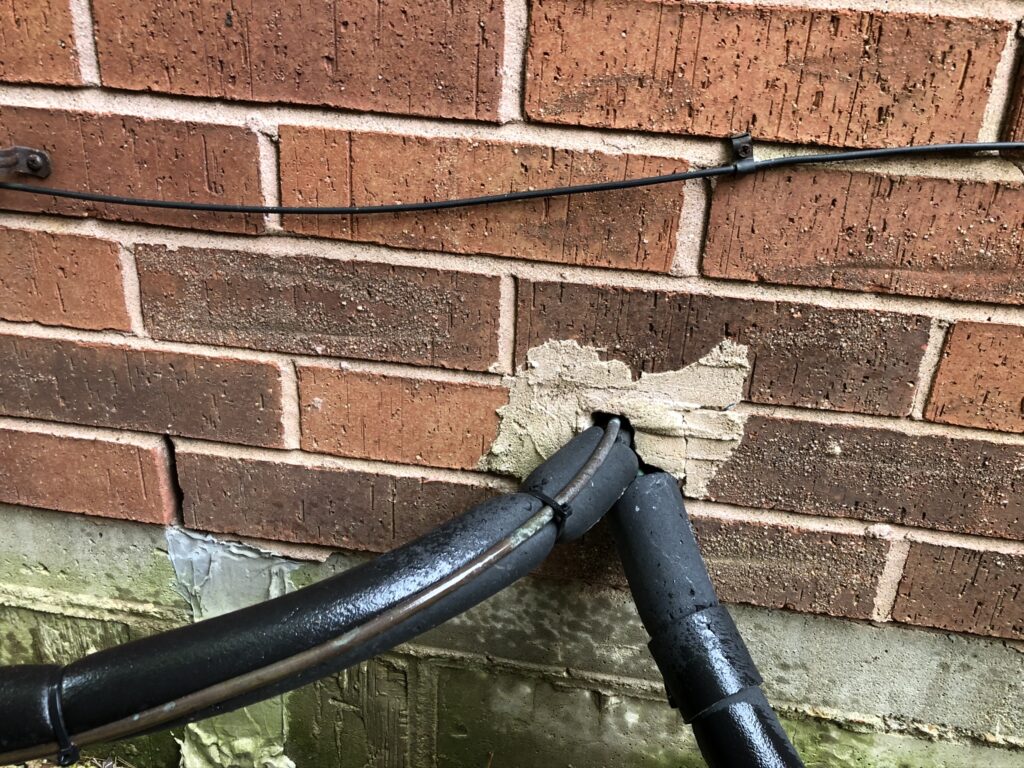
Homes with basements are vulnerable to mice infestations because they enter through cracks in foundations, poorly sealed windows, and openings around drainage pipes or air ducts. Other examples of entry points include:
- Screen doors that don’t properly latch or have tears in the mesh.
- Areas where weather stripping is missing.
- House siding with damage.
- Crawl spaces that lead to floor openings.
- Chimneys without caps.
- Roof holes due to damaged shingles or leaks.
Mice can gnaw through most materials. When an entry gap isn’t large enough, a mouse can usually expand it.
What Problems Do Mice Cause in My House?
- Contamination
- Mice are attracted to food, whether it is in your kitchen pantry, leftovers on the stove, pet feed in the garage, trash, or crumbs under appliances. Wherever they find food, they will contaminate it by chewing on packaging and leaving droppings and urine along their trails.
- Health Risks
- Mice carry many diseases that can harm humans. Mice can spread diseases like Salmonella, Leptospirosis, and Hantavirus
- Property Damage
- A small mouse can cause significant damage to electrical wiring and other materials in your home’s attics and walls. They can damage attic insulation and leave a mess of droppings to clean up.
- Mouse Reproduction
- If you’ve seen one mouse in your house, you likely have a whole colony. Mice reproduce at an alarming rate. Inside your home, rodents are protected from predators and have a readily available food supply. The population will grow unchecked.
Mouse Control & Exterminator

Although tiny, mice can wreak havoc on your home if left unchecked. Because they multiply so quickly, the potential for serious damage grows even faster. Critter Control’s mice pest control removal process is comprehensive and starts with a thorough inspection.
| Service Steps | What We Do | Results |
|---|---|---|
| Inspection | Identify entry points, travel paths, and nests | Accurate plan tailored to current activity |
| Population Reduction | Strategic trapping and targeted baiting | Effectively and efficiently get rid of the mice |
| Exclusion & Prevention | Seal gaps and install rodent-proof materials | Blocks reentry and prevents future infestations |
| Remediation & Restoration | Remove contaminated materials and apply sanitization agents. | Removes health hazards and attractants. |
| Follow-up Protection | Monitoring, bait stations, and re-treatments if needed | Sustained long-term rat control |
Why Chose Critter Control to Get Rid of Mice
Full Home Protection Warranty
Our mouse control services go beyond just trapping. Our exclusion services provide long-term, chemical-free mouse control to prevent mice from getting back inside.
100% Money-Back Guarantee
Your satisfaction is always guaranteed. We provide reliable prevention from future intrusions. If you’re not satisified with the results of our work, we will issue a full refund, no questions asked.
Financing Available
Critter Control offers in-house financing. Both standard and 90-day same as cash financing options have 12-,18-,24-, or 36-month options. Some projects might qualify for a budgeted plan up to 60 months.
Transparent Pricing
At Critter Control, we offer up-front and transparent pricing. After the inspection, we provide a detailed proposal with price. There are never any hidden fees or surprise costs.
Free Inspections & Quote
In St. Louis, our pest control inspections are free. We check every part of the house from the roof to the crawlspace. After our inspection, we provide a free detailed report on the condition of your property, signs of animal activity, and solutions.