

Summer in Green Bay means more time outdoors—backyard barbecues, hiking, camping, and enjoying Wisconsin’s beautiful natural spaces. But you’re not the only one taking advantage of the warm weather. Wildlife activity peaks in the summer, and while many animals are harmless from a distance, some can cause problems if they move too close to home.
At Critter Control in Green Bay, we receive more calls in summer than at any other time of year. That’s because a wide range of critters become more active during the warmer months, often leading to unwanted encounters in attics, basements, garages, and yards. Here’s a look at the animals you’re most likely to see—and why it’s important to be cautious.
Raccoons
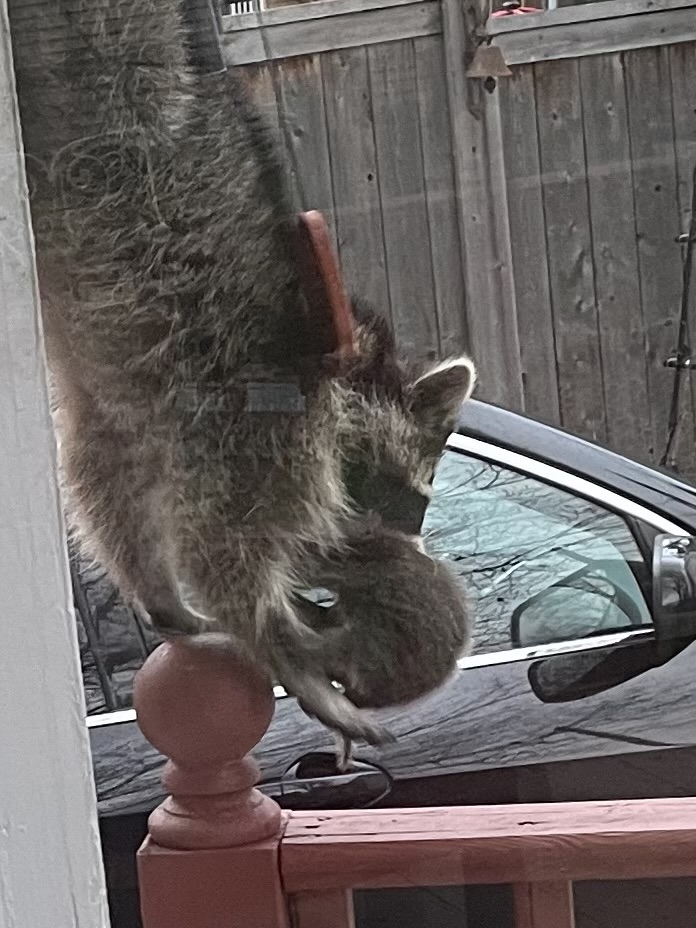
Raccoons are intelligent, adaptable, and incredibly common in both rural and urban areas of Green Bay. In summer, they’re out at night searching for food and may target unsecured trash cans, pet food, or compost bins. Female raccoons often raise their young during this time, making attics and crawlspaces ideal nesting spots.
Risks: Raccoons can carry diseases like rabies and raccoon roundworm. They’re also known to cause significant damage when nesting indoors.
Bats
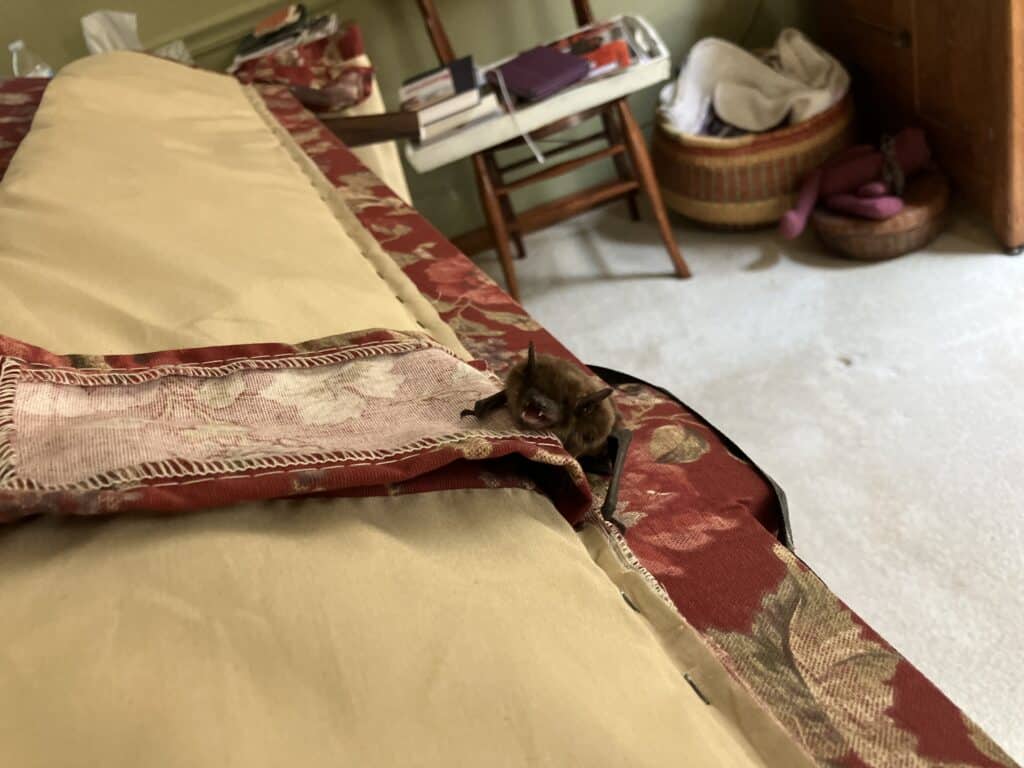
Bats become especially active in summer as they hunt insects and raise their young. You might notice them flying around your home at dusk. While they play an important role in controlling mosquitoes, they can also roost inside attics, barns, and sheds.
Risks: Bats can carry rabies, and their droppings (guano) may harbor harmful fungi. If a bat enters your home, it’s essential to handle the situation safely and legally.
Skunks
Skunks are more active at night and often dig for grubs in yards or nest under porches and sheds. Summer is their breeding season, which means they’re more territorial and likely to spray if they feel threatened.
Risks: Besides their notorious odor, skunks can carry rabies and may damage lawns or landscaping.
Squirrels
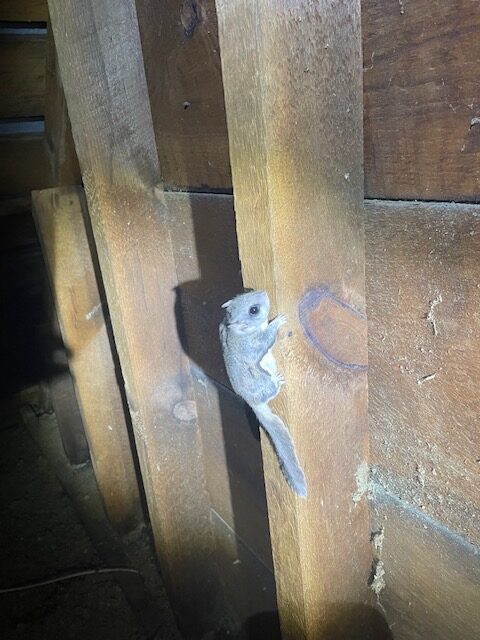
Squirrels might seem harmless, but in summer, they can become a real nuisance. They’re known for squeezing into attics or soffits to nest, especially if they find food sources nearby.
Risks: Squirrels can chew through wiring, insulation, and wood, creating fire hazards and structural damage.
Groundhogs (Woodchucks)
These burrowing animals become more noticeable in summer as they dig large tunnels around decks, foundations, and sheds. Their dens can weaken structures and create trip hazards.
Risks: Groundhog burrows can lead to property damage, and they can become aggressive if cornered.
Opossums
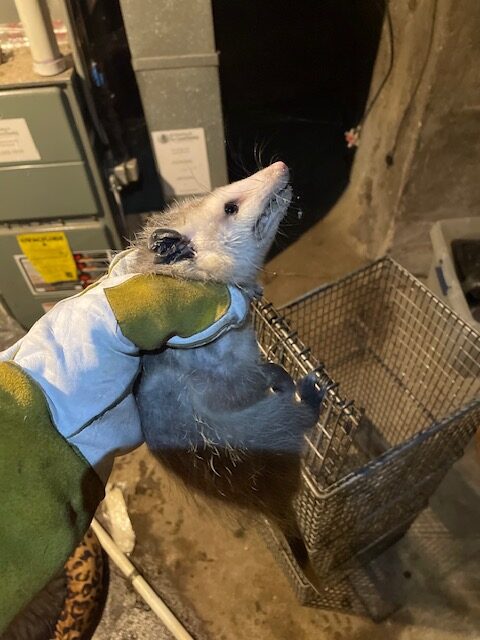
Opossums are scavengers and are often seen foraging at night. They may seek shelter under decks or in sheds. While they’re generally non-aggressive, their presence can still be unsettling.
Risks: Opossums can carry fleas, ticks, and diseases, and they often attract other wildlife looking for food.
How to Stay Protected from Summer Wildlife
- Keep trash cans sealed and secured
- Feed pets indoors and avoid leaving food outside
- Inspect and seal small openings in your home’s exterior
- Install chimney caps and vent covers
- Trim tree branches away from your roof
- Keep an eye out for signs of droppings, scratching sounds, or disturbed insulation
Let Critter Control Team in Green Bay Handle It
Summer is meant to be enjoyed, not spent worrying about critters in your attic or raccoons in your trash. Whether you’ve spotted signs of wildlife or want to take preventive measures, Critter Control of Green Bay is here to help.
If wildlife makes its way into your home or yard, don’t try to remove it yourself. Many animals—especially those raising young or feeling cornered—can be unpredictable and dangerous. At Critter Control of Green Bay, we specialize in humane wildlife removal and prevention. Our licensed technicians know how to identify the issue, safely remove animals, clean up any mess left behind, and secure your home against future intrusions.
As summer arrives in Green Bay, people and wildlife alike become more active. Longer days and warmer weather mean more time spent outdoors, but they also bring a spike in wildlife encounters—some of which can pose serious health risks. One of the most concerning dangers during the summer months is exposure to rabies.
Rabies is a viral disease that affects the nervous system and is almost always fatal once symptoms appear. It’s typically spread through the bite or saliva of an infected animal, and while cases in humans are rare in the U.S., the threat is real—especially during summer when people and pets are more likely to come in contact with wildlife.
Why Summer Increases Rabies Risks
There are several reasons rabies risk peaks during the warmer months:
- Increased Wildlife Activity: Animals such as raccoons, bats, foxes, and skunks are more active during the summer as they search for food, mates, and shelter. This increases the chance of human and pet encounters.
- Outdoor Pet Exposure: Dogs and cats spend more time outside in the summer, potentially encountering infected animals. Unvaccinated pets are especially vulnerable.
- More Human-Wildlife Interaction: People are more likely to explore parks, trails, and wooded areas—habitats that also attract wild animals. Curious children and pets may unknowingly approach sick or aggressive wildlife.
Recognizing Rabid Animals
Not all animals with rabies will foam at the mouth or act violently. Some may simply behave strangely. Signs of a potentially rabid animal include:
- Appearing unusually aggressive or tame
- Staggering or seeming disoriented
- Coming out during the daytime (for nocturnal animals like raccoons or bats)
- Making strange vocalizations or acting confused
If you notice a wild animal exhibiting any of these behaviors on your property, keep your distance and contact a wildlife professional immediately.
What to Do If You’re Exposed
If you or your pet is bitten or scratched by a wild animal—or even comes into contact with one’s saliva—you should:
- Wash the wound thoroughly with soap and water.
- Seek immediate medical attention.
- Report the incident to your local health department.
- Contact your veterinarian if your pet is involved.
Time is critical in cases of potential rabies exposure. The disease can be prevented with prompt medical care, including post-exposure prophylaxis (PEP) for humans or a booster shot for vaccinated pets.
How Critter Control in Green Bay Can Help
At Critter Control in Green Bay, we provide humane and professional wildlife removal services to help keep your home safe during the busy summer months. If you suspect that a wild animal on your property may be sick, aggressive, or acting abnormally, our trained technicians are equipped to handle the situation safely and legally.
We also offer exclusion services to prevent wild animals from entering your attic, crawlspace, or garage—common places for bats, raccoons, and skunks to shelter during the summer.
Tips to Reduce Rabies Risk on Your Property
- Keep pet vaccinations up to date.
- Avoid feeding or approaching wild animals.
- Secure garbage cans and remove outdoor food sources.
- Close off openings in your home’s structure to prevent animal entry.
- Supervise pets and children when outdoors.
Stay Safe This Summer
Summer in Wisconsin is a beautiful time to enjoy the outdoors—but it’s also a time to stay vigilant. By understanding the risks of rabies and taking preventive measures, you can protect your family, pets, and peace of mind.
If you’re dealing with nuisance wildlife or concerned about a possible rabies threat, don’t wait. Contact Critter Control of Green Bay today for fast, humane, and professional assistance.
Green Bay, Wisconsin, with its beautiful landscapes and proximity to nature, is home to a wide variety of wildlife. While this can be a source of pride and joy, it can also lead to wildlife-related problems. From uninvited guests in your attic to potential damage to your home, the presence of wild animals can sometimes create challenging situations for homeowners. At Critter Control of Green Bay, we are committed to helping you manage these issues humanely and effectively.
Here are some of the most common wildlife problems in Green Bay and tips on how to handle them:
Squirrels in Attics
Squirrels are notorious for entering attics, especially during colder months when they are searching for warmth and shelter. Their sharp teeth and claws can cause damage to insulation, electrical wires, and wooden structures.
How to Handle It:
If you hear scratching noises in the attic or see signs of chewing, it’s important to act quickly. First, secure all potential entry points around your home. A professional wildlife control expert can inspect and seal these openings. It’s also crucial to safely remove any squirrels and relocate them to a more appropriate habitat.
Raccoons in the Crawl Space
Raccoons are excellent climbers and often get into crawl spaces, attics, or basements in search of food or shelter. Once inside, they can create a mess, contaminate insulation with urine and feces, and even cause structural damage.
How to Handle It:
To avoid attracting raccoons, keep food sources, such as pet food and trash cans, sealed tightly. If you suspect a raccoon is living in your home, it’s essential to have it safely trapped and removed. A professional wildlife control service will not only address the immediate problem but will also provide advice on how to prevent future invasions.
Bats in the Belfry
Bats are another common issue in Green Bay. These nocturnal creatures can make their way into homes through small gaps or cracks. While bats can help control insect populations, their presence in your home can lead to health risks, including exposure to diseases like rabies and histoplasmosis.
How to Handle It:
Bats should never be handled on your own. It’s vital to call a professional who can safely remove them and ensure that they do not return. Additionally, a professional will conduct a thorough inspection to identify and seal any openings in your home where bats could enter. The best time for bat removal is during late summer or early fall when they are not rearing young.
Skunks Under Decks or Porches
Skunks are known for their distinctive odor, but they can also be quite damaging when they take up residence under decks or porches. Their burrows can cause structural issues, and their tendency to spray when frightened can create an unpleasant environment.
How to Handle It:
To deter skunks, seal all entry points under decks and porches. If you already have a skunk under your structure, it’s important to have a wildlife control expert handle the removal. They can humanely relocate the skunk, minimizing the risk of being sprayed.
Mice and Rats in the Home
Mice and rats are a constant problem, particularly during the colder months when they seek shelter and food inside homes. These rodents can chew through wiring, insulation, and even structural elements of your home. They also pose a significant health risk by contaminating food and surfaces with their urine and feces.
How to Handle It:
Keep food sealed and maintain a clean home to avoid attracting rodents. If you spot any signs of mice or rats, such as droppings or gnawed items, it’s important to act quickly. Trapping and sealing entry points are key to controlling rodent populations. A wildlife control professional can perform a thorough inspection, handle safe trapping, and ensure that your home remains rodent-free.
Opossums in the Yard or Garage
Opossums are often misunderstood, but they can cause problems when they invade your garage or outdoor sheds in search of food. While they are not usually aggressive, they can make a mess and potentially spread diseases through their droppings.
How to Handle It:
Remove any food sources or garbage that could be attracting opossums to your property. If you have an opossum taking up residence in your garage, it’s important to safely trap and relocate it. A professional service will also ensure that the opossum’s entry points are sealed to prevent future invasions.
Birds Nesting in Unwanted Areas
Certain bird species, such as pigeons, starlings, and sparrows, often nest in attics, vents, or other secluded spaces. Their droppings can cause damage to property, and in some cases, bird mites and other pests can become a problem.
How to Handle It:
If birds have already nested, avoid disturbing the nest until it is abandoned. Once the birds are gone, a wildlife control expert can remove the nest and prevent future nesting by installing barriers or netting. Regular maintenance and keeping vents and chimneys properly sealed are essential to keeping birds from entering your home.
While wildlife in Green Bay can be beautiful and fascinating, their presence in your home or on your property can pose serious risks to your health and cause serious damage. At Critter Control of Green Bay, we are here to help you address these issues in a humane, safe, and effective way. Whether you’re dealing with squirrels in the attic, raccoons under the porch, or other wildlife problems, our trained professionals can provide the solutions you need to reclaim your space.
If you are experiencing any wildlife-related issues, don’t hesitate to contact us. We offer safe, reliable, and expert wildlife control services tailored to your needs. Contact Critter Control in Green Bay today for a consultation and ensure your home remains a safe, comfortable place to live.
Birds are an essential part of Wisconsin’s wildlife, but when they take up residence in or around your home, they can cause more harm than harmony. Homeowners in Green Bay and across the state often face a variety of bird-related issues, particularly in the spring and summer months. From clogged vents to unsanitary droppings, bird problems can escalate quickly if not addressed. We understand the unique challenges local homeowners face and how to prevent them humanely and effectively.
Common Bird Problems in Wisconsin Homes
Nesting in Vents and Chimneys
Birds like starlings, sparrows, and swallows often seek out warm, sheltered spots to nest—making vents, chimneys, and exhaust openings prime targets. While it may seem harmless, nesting in these areas can lead to serious complications. Blocked dryer vents and bathroom exhausts can cause poor airflow, moisture buildup, and even fire hazards. In chimneys, nests can create dangerous obstructions that lead to smoke damage or carbon monoxide buildup. Additionally, these nests often attract mites, fleas, and other pests, creating a health risk for the people inside the home.
Gutter and Roof Damage
Gutters offer another inviting nesting spot for certain bird species. Unfortunately, nesting materials and droppings can clog gutters, leading to water overflow that damages fascia boards, soffits, and shingles. Prolonged clogging can also cause water to pool around the foundation, potentially leading to structural issues over time. Birds frequently perched on rooftops can also contribute to wear and tear, especially when combined with the corrosive effects of droppings.
Bird Droppings
Accumulations of bird droppings aren’t just an eyesore—they pose real health and property risks. Droppings are highly acidic and can erode paint, metal, and stone surfaces, leading to costly repairs. They also carry harmful pathogens such as histoplasmosis and Salmonella, which can become airborne or be accidentally inhaled or ingested during cleaning. Areas like decks, walkways, and vehicles can quickly become unsanitary when used as regular perches.
Aggressive Behavior During Nesting Season
Many homeowners in Wisconsin report aggressive bird behavior during nesting season. Birds such as robins or swallows may become territorial and act defensively when they perceive threats to their nests. This can lead to swooping or dive-bombing behaviors that are especially alarming to children and pets. In some cases, outdoor areas may become nearly unusable until the nesting season is over, turning your backyard from a place of relaxation into a source of stress.
How to Prevent Bird Problems
While some bird presence is inevitable, there are several steps you can take to reduce the risk of serious issues. Prevention starts with understanding how birds choose their nesting sites and taking proactive steps to make your home less inviting.
Seal Entry Points
Inspect your home’s exterior regularly and seal any small gaps or holes near soffits, attic vents, or eaves. Installing vent covers and chimney caps made from durable metal mesh can effectively block birds from accessing these sheltered areas without disrupting airflow.
Gutter Guards and Roof Maintenance
Keep your gutters clear by installing bird-resistant gutter guards and cleaning them seasonally. Trim overhanging branches that provide easy access to your roof, and watch for signs of nesting activity like twigs, feathers, or droppings.
Bird Spikes and Netting
For areas where birds consistently perch or roost—such as roof edges, signs, or ledges—bird spikes offer a humane deterrent that makes it uncomfortable for them to land. Netting is another effective option for protecting balconies, patios, or garages from nesting attempts.
Limit Food Sources
Eliminate easily accessible food sources by securing garbage bins and avoiding outdoor feeding of pets. If you enjoy feeding wild birds, consider placing feeders farther away from your home to reduce nesting nearby.
Use Visual Deterrents
Birds are cautious creatures and can often be scared away by simple visual deterrents such as reflective tape, predator decoys, or motion-activated devices. These can be especially useful during peak nesting season in the spring.
Professional Help When You Need It
If you’re currently dealing with a bird problem, professional intervention may be necessary. At Critter Control of Green Bay, we specialize in humane bird removal and Wildlife Exclusion Services techniques tailored to your specific situation. Our trained technicians understand the nesting habits and behaviors of local bird species and can implement safe, long-term solutions to protect your home.