

Every year, homeowners across suburban and urban neighborhoods notice more frequent wildlife encounters: raccoons digging through garbage bins, rodents scurrying along foundations, opossums and coyotes wandering through yards at night, and more. While their presence may feel unexpected, it reflects a larger pattern. Wildlife responds to the way we light, clean, and live around our homes.
Research from federal agencies and universities shows that everyday environmental conditions, including artificial light, accessible trash, and predictable human activity, influence how wildlife feeds and moves in cities. When these factors overlap on your property, they can unintentionally make your home more attractive to nuisance wildlife.
Artificial Light Changes Nighttime Movement
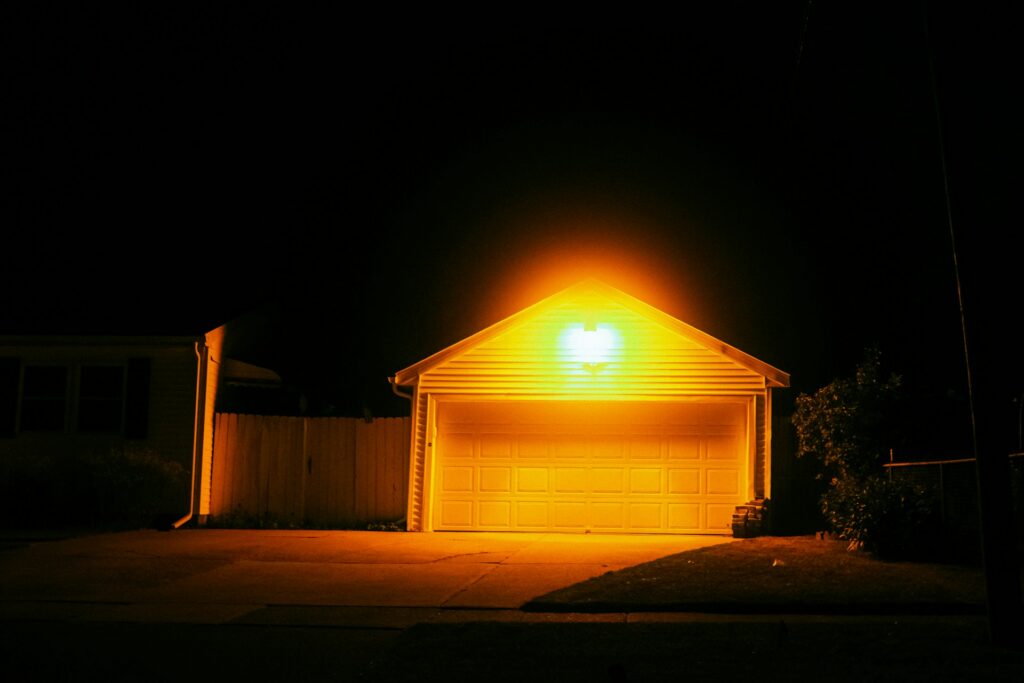
Wild animals rely on natural light cycles to regulate feeding, breeding, and rest. Artificial light at night disrupts those rhythms.
The National Park Service explains that artificial light can alter wildlife behavior, affecting navigation, feeding patterns, and predator-prey relationships in developed areas.
That disruption is measurable in urban environments. A study highlighted by NASA’s Earth Observatory examined nocturnal wildlife in Chicago and found that raccoons, opossums, skunks, and other species were significantly less active in brighter areas of the city. Researchers observed behavioral changes at light levels as low as 6 lux, which is brighter than a full moon but dimmer than many common residential exterior lights.
Even moderate outdoor lighting can influence how animals move through neighborhoods. When consistent lighting overlaps with food sources, animals learn fast. For adaptable species such as raccoons and rats, consistent lighting can extend feeding time and make areas feel safer to explore. A brightly lit driveway or yard may feel safer than complete darkness. If food is nearby, animals will take advantage of that visibility.
Lighting also concentrates activity. When trash bins, pet food, or garden areas are illuminated overnight, they become easy targets.
What You Can Do
- Use motion-activated exterior lighting instead of leaving lights on all night. This reduces constant illumination while still supporting safety.
- Direct lights downward and avoid shining them toward trash storage or deck areas where animals may investigate.
Trash and Food Waste Drive Wildlife Habituation
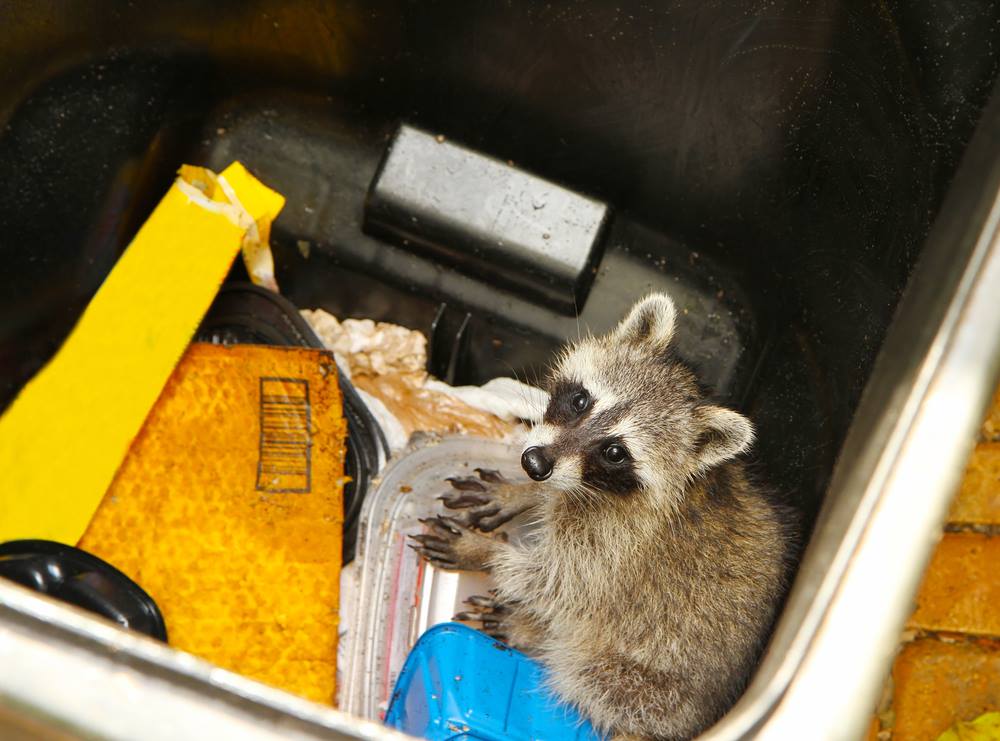
If there’s one factor that most consistently increases wildlife pressure around homes, it’s food access.
The USDA’s Animal and Plant Health Inspection Service states clearly that accessible human food sources condition wildlife to return repeatedly and can increase property damage and human-wildlife conflict.
Wild animals are opportunistic. When they discover unsecured trash, fallen fruit, compost, or outdoor pet food, they quickly adjust their routines. Reliable access to calories reduces the need to travel long distances for food. That means shorter foraging routes and more time spent near structures.
Rodents are especially responsive to food availability. The Centers for Disease Control and Prevention emphasizes that eliminating food sources is one of the most important steps in preventing rat infestations.
Once food becomes predictable, animals often den nearby. Raccoons can climb into attics. Rats nest along foundations. Opossums use crawl spaces for shelter. Coyotes patrol neighborhoods where trash is consistently available.
What You Can Do:
- Secure trash containers with tight-fitting lids and store them in a garage or shed when possible. Avoid setting them curbside the night before pickup if wildlife activity is already present.
- Remove outdoor pet food after feeding and clean up spilled birdseed or fallen fruit. Small food sources add up and support repeat visits.
Noise and Daily Human Activity Encourage Adaptation
Cities and suburbs aren’t quiet environments. Traffic, HVAC systems, lawn equipment, and everyday movement create constant background noise.
Research shows that wildlife that can tolerate predictable human disturbance is more likely to persist in urban areas. A 2020 study published in Frontiers in Ecology and Evolution found that urban wildlife often adjusts its behavior in response to consistent human activity patterns, including shifts in activity timing.
Animals learn quickly. If your neighborhood follows a consistent daily rhythm, wildlife will adapt to it. They may wait until late evening when foot traffic slows. They may move along fence lines or through landscaped corridors that offer cover.
This growing tolerance increases the likelihood of sightings. It also increases the chance that animals will investigate potential entry points around homes.
What You Can Do:
- Reduce shelter opportunities by trimming dense shrubs along the foundation and sealing gaps around vents, soffits, and crawl spaces. When hiding spots disappear, animals are less likely to linger.
- Inspect your home regularly for new openings or damage. Early repairs prevent wildlife from converting a temporary visit into a long-term den site.
When These Factors Overlap

Light, food, and predictable human patterns reinforce each other.
Imagine a well-lit side yard where trash bins are stored. The neighborhood quiets down by 10 p.m. An animal discovers unsecured garbage once. It returns the next night. Within days, that location becomes part of its routine.
This is how conditioning happens. It is gradual and driven by opportunity.
Wildlife pressure increases when homes provide three things at once: reliable food, usable shelter, and safe movement corridors.
Reducing Wildlife Pressure Around Your Home
Small adjustments around your property can significantly reduce the frequency of wildlife visits. The goal is simple. Remove predictable food sources, limit shelter, and reduce environmental cues that encourage lingering.
Here are 4 practical steps you can take:
- Control food sources: Secure trash and compost bins with tight lids and store them inside whenever possible. Clean up pet food, fallen fruit, and food scraps promptly so animals do not learn to associate your yard with easy meals.
- Adjust lighting strategically: Install motion-activated lights instead of leaving exterior lights on overnight. Keep trash storage and deck areas out of constant illumination to avoid drawing attention to them.
- Eliminate shelter access: Seal openings along the roofline, foundation, and under decks using proper exclusion materials. Trim back vegetation that provides cover along walls and fence lines.
- Monitor early warning signs: Repeatedly tipped trash cans, droppings near structures, or scratching sounds in walls indicate a developing pattern. Addressing activity early prevents escalation.
Consistency matters. Wildlife responds to patterns. When those patterns change, animals move on.
Wildlife Activity Around Your Home Is Manageable
Urban wildlife adapts to the environments we create. Artificial lighting, accessible waste, and steady human activity shape animal behavior over time. When homes offer easy food and safe shelter, animals respond accordingly.
If you are seeing repeated wildlife activity around your property, professional intervention may be necessary. Removing the animal is only part of the solution. Long-term exclusion and habitat modification prevent return visits.
By taking proactive steps and seeking expert help when needed, you can maintain a healthy boundary between your home and local wildlife. Effective management supports coexistence, protects your property, and helps urban neighborhoods thrive.