

Get a Free Quote Today
Hours of Operation
Monday-Friday 7:00 a.m. – 5:00 p.m.
Saturday 8:00 a.m. – 5:00 p.m.
Sunday Closed
Rat Removal Near You

Best Rodent Control in Nashville


Online Bill Pay
Do you suspect rats in your attic or walls?
Most cities throughout the U.S. experience rodent problems, and Nashville is no exception. Rats and mice look for food, water, and shelter, and properties with unsealed entry holes offer quick access to all three.
Rodents not only contaminate food but also spread disease, so it’s imperative you remove them quickly with professional assistance.
Our technicians are experts at rodent extermination and remediation. We have the experience to identify your rat control problem and create an effective plan for rat trapping and removal, damage repairs, and rat-proofing. Call Critter Control in Nashville and schedule your appointment today!

Did You Know?
Rats prefer to be within 150 feet of food, water, and shelter to find a suitable place to nest.
Identify Your Rat Problem
Do you need help identifying what type of rat is nesting in your home?
- Scratching Noises and Other Sounds: Rats are primarily nocturnal, so you’re most likely to hear them at night. Listen for scratching, scurrying, or squeaking sounds coming from within walls, ceilings, attics, basements, or crawl spaces. These noises indicate active movement and can strongly suggest a hidden infestation.
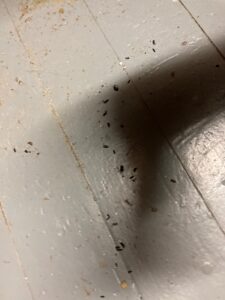
- Droppings: This is often the most noticeable and definitive sign. Rat droppings are typically dark, pellet-shaped, and about 1/2 to 3/4 inch long, resembling a large grain of rice. You commonly find them near food sources, in cupboards, under sinks, and along walls. Fresh droppings look moist and shiny, while older ones are dry and crumbly.
- Gnaw Marks: Rats constantly gnaw to keep their ever-growing teeth in check and to create access points. Look for gnaw marks on wood (like baseboards, door frames, and furniture), plastic containers, food packaging, wires, and pipes. Rat gnaw marks are usually larger and rougher than those left by mice, often appearing as paired grooves.
Common Problems Rats and Mice Cause
- Infestation Growth: A small rat problem can quickly become a large infestation because rats breed rapidly.
- Health Hazards: Rats can carry and transmit diseases like leptospirosis, salmonella, and hantavirus. Their droppings and urine contaminate surfaces and food sources.
- Fire Risk: Rats gnaw on wires, which can expose wiring and increase the risk of electrical fires.
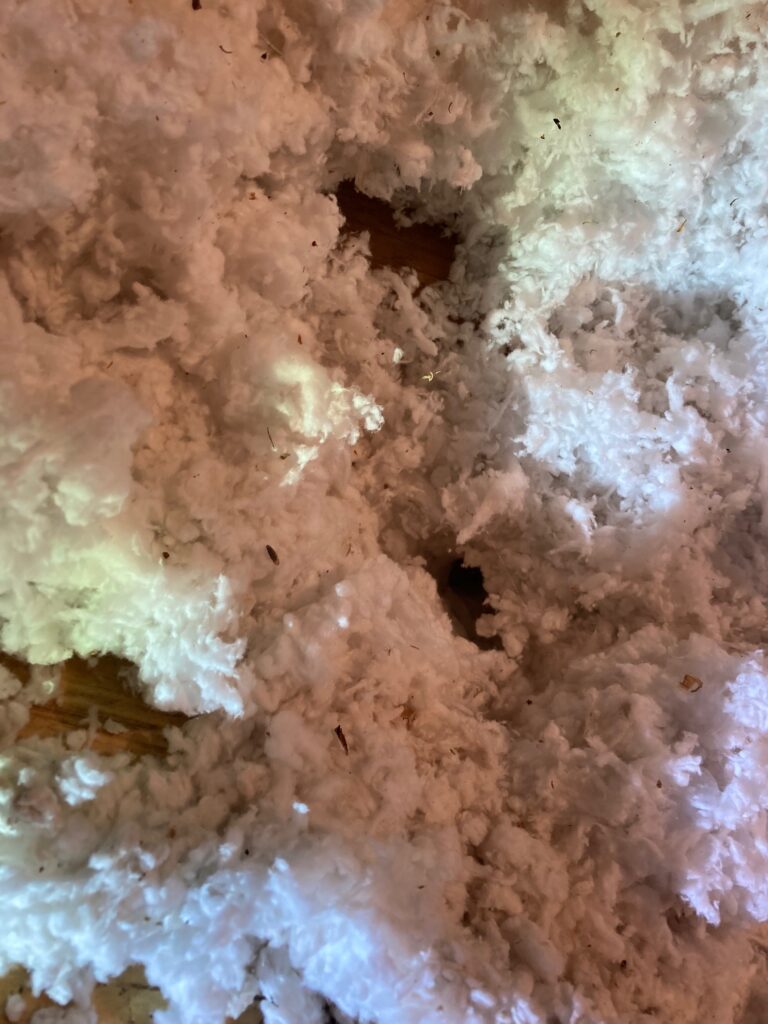
- Structural Damage: Their gnawing can compromise insulation, wood, and even piping.
Rat Control and Exclusions from Critter Control
Rat extermination is only one step of rat control. You could still be vulnerable to future rat infestations. Rats and mice are incredibly flexible, and most of them can easily enter through a hole the size of a quarter.
Critter Control’s Integrated Approach to Rat and Mouse Control
- Inspection: A Critter Control expert will thoroughly inspect the property to identify areas of rat activity, entry points, and nesting sites.
- Identification: Different rodent species require different control methods. Common rats in Florida include roof rats and Norway rats. Identifying the species helps in selecting the most appropriate control methods.
- Exclusion: Sealing off entry points and blocking access to the property is crucial to prevent rats from entering or re-entering the premises. This may involve sealing wall gaps, installing door sweeps, and repairing damaged vents or screens.
- Sanitation: Removing potential food and water sources, such as garbage, spilled food, and standing water, helps make the environment less attractive to rats.
- Extermination: Rat traps are strategically placed to capture rats already present in the property. Depending on the situation, we may use different types of traps, including snap traps and humane traps.
- Baiting: We may use rodenticides (rat poisons) as part of the control strategy. At Critter Control, we use tamper-resistant bait stations placed in areas frequented by rats. Use rodenticides with extreme caution, especially in residential areas with pets or children.
- Monitoring and Follow-up: Regular monitoring of the property is important to assess the effectiveness of control measures and to identify any new rat activity. Follow-up treatments may be necessary to ensure complete elimination of the infestation.
- Preventive Measures: Providing recommendations to the homeowner on preventive measures, such as maintaining cleanliness, proper food storage, and regular property maintenance, helps reduce the risk of future rat infestations.
How Rats Get Inside the Home
Rats can fit through gaps much smaller than their bodies; they have been known to get into holes as small as a quarter! They are much less likely to chew their way in than a squirrel would be. They are more likely to act as creatures of opportunity. They will find a small gap in between two pieces of lumber, concrete, brick, wire, and more, and make themselves at home.
Roof Rats in Nashville
Roof rats are more slender, with a tail as long as, or longer than, the rat’s body. They are dark brown or black, with a lighter underbelly and large ears. As their name suggests, they are most often found under roofs. Attics, vaulted ceilings, and upper crawlspaces are preferred places for these critters to live and hide. They prefer to travel high on fences and power lines when possible and are often mistaken for squirrels during diagnosis.
Norway Rats in Nashville
Norway rats are light to dark brown in color with a slightly lighter underbelly. They are a stockier, heavier-bodied rat with smaller ears. Their tail is long, but not as long as a Roof rat’s tail. These rats prefer to inhabit lower spaces such as crawlspaces and basements but can also occupy higher spaces such as attics and vaulted ceilings.
House Mouse in Nashville
On rare occasions, we see Pack rats. These are very large rats with a habit of stealing shiny or interesting items and putting them into a nest. They act much more territorial than Norway or Roof rats and have been known to “mark” their territory like a dog would. They also tend to have a higher tolerance to rodenticide and can be quite aggressive. They are gray in color and have large ears and a hairless tail. These rats rarely enter homes and usually build nests in crevices or natural areas.
Professional Rat Control in Nashville
Critter Control in Nashville handles not only larger wildlife such as raccoons, but also rodent extermination and remediation. We deal with two primary rat species: the Norway rat and the Roof rat.