

Hours of Operation
Monday-Friday 7:00 a.m. – 6:00 p.m.
Saturday 8:00 a.m. – 4:00 p.m.
Sunday Closed
Find Mice Control Near You
By County: Crawford, Franklin, Gasconade, Jefferson, Lincoln, Montgomery, Pike, Ralls, Saint Charles, Saint Francois, Saint Genevieve, Saint Louis, Warren and Washington Counties
- Affton
- Arnold
- Ballwin
- Bellefontaine
- Brentwood
- Bridgeton
- Caseyville
- Chesterfield
- City of Clayton
- City of Saint Charles
- City of Troy
- Cotterville
- Crestwood
- Creve Coeur
- Des Peres
- Earth City
- Ellisville
- Eureka
- Fenton
- Ferguson
- Florissant
- Frontenac
- Hazelwood
- Ladue
- Lake Saint Louis
- Maplewood
- Maryland Heights
- O’Fallon
- Olivette
- Pacific
- Richmond Heights
- Saint Albans
- Saint Ann
- Saint Johns
- Saint Peters
- Shrewsbury
- Sunset Hills
- Town and Country
- University City
- Webster Groves
- West Alton
- Wildwood
Best Mouse Control in St. Louis



Get a Free Quote
Call Today

Ask about in-house financing options.

One-Year Warranties on Exclusions
Too Busy To Call
Too busy to call?
Request a callback from us!
"*" indicates required fields
Online Bill Pay
No pest is as unsettling as a rat. These small rodents act quickly, potentially destroying parts of your home and yard with their chewing and droppings. Rats can carry bacteria, diseases, and insects that can harm pets and humans.
Rats need water to thrive, and St. Louis’ proximity to the Mississippi makes it a natural habitat for them. The city has two common rat species: the Norway rat and the roof rat. Roof rats are climbers that can access attics, while Norway rats are ground dwellers that most often enter homes or buildings through gaps in foundations, doors, and windows.
Do I Need Rat Control?
When rats enter homes, they prefer to stay out of sight in undisturbed areas. Rats climb walls, run across power lines, swim up pipes, and squeeze through small openings in building exteriors to gain entry.
As a rat population grows, the signs of an infestation become more obvious. Once you start noticing them, it’s a clear sign you need rat control.
- Rat Noises
- Unusual, unexplainable sounds at night are often the earliest sign of a rat infestation. You might hear scratching or scurrying sounds from walls, ceilings, or attics when rats are most active.
- Droppings
- Rat droppings are dark, oval-shaped, and larger than a mouse’s (about the size of a large raisin). You may spot them in your pantry, cupboards, or along baseboards, where rats often search for food.
- Gnaw Marks
- Rats have to gnaw constantly to keep their teeth sharp. In your home, that shows up as conspicuous marks on wood, wires, and even plastic.
- Odors
- A strong, ammonia-like odor concentrated in closed-off areas, such as basements, attics, or crawl spaces, can indicate rat urine.
- Rat Nests
- Rats build nests from shredded paper, insulation, and fabric scraps. They often tuck them into quiet, hidden places like attics, crawl spaces, or behind walls.
- Unusual Pet Behavior
- Pets typically spot the problem before people do. Your furry companions may start pawing at walls, barking, growling, or fixating on certain areas of your home. If you’ve noticed this shift, rats may be nearby.
What Problems Do Rats Cause?
Rats typically view basements, attics, ceilings, crawl spaces, and walls as prime real estate. These issues add up fast and fall into three main categories: property damage, health concerns, and safety risks.
- Property Damage
- Rats can cause major structural problems inside your home. Their teeth-whittling habits can leave holes and tunnels in wood, drywall, and insulation, weakening the building. If they chew electrical wires, they can increase the risk of a house fire.
- Health Concerns
- Rats spread harmful pathogens through their droppings, urine, and saliva. Rat-borne diseases such as Hantavirus, leptospirosis, and Salmonella can put your family at risk when surfaces or food become contaminated. Even a small infestation of a few rats can create unsafe conditions for anyone living in your home.
- Safety Risks
- While rats usually stay out of sight, they can pose a safety risk when you spot them. Cornered rats may bite when threatened, and rat bites can lead to injury and infection. Infestations also attract other pests, such as insects, that feed on spilled food or droppings. Together, they create a serious safety problem for you and your pets.
Why Does DIY Rat Control Fail?
Rats’ natural behaviors help them multiply quickly and remain hidden long enough for the issue to grow. They are predisposed to avoid new stimuli (like traps) and reproduce rapidly. Even if you do manage to control the population, pheromone trails will attract other rodents inside your home.
Professional Rat Rodent Control
Rats breed year-round, reproducing seven or eight times a year with seven or more offspring per litter. Rats can quickly infest your home. The more rats you have, the more damage occurs. Call a rat rodent control expert at the first sign of rodent activity.
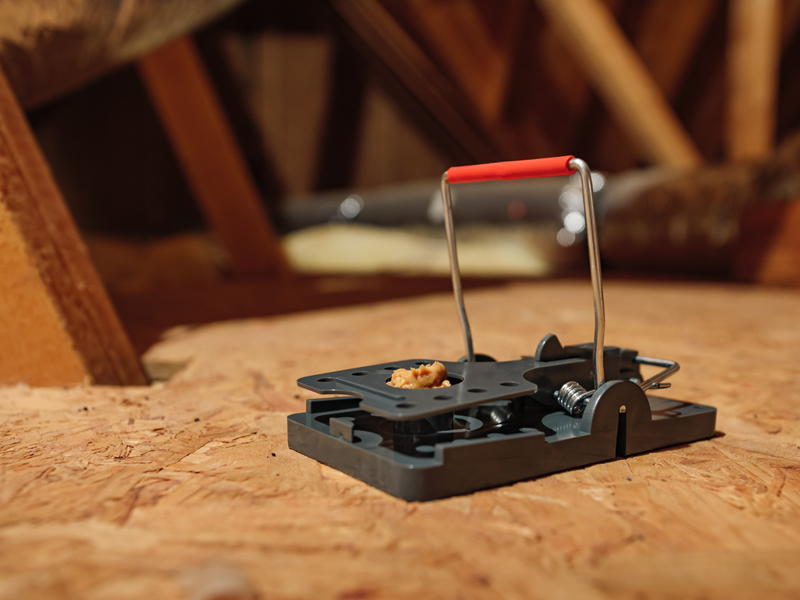
Trying to control a rat problem yourself can lead to mistakes that make it worse. Using the wrong traps, too few traps, or the wrong bait can let the rat population in your home keep growing. Placing a trap in the wrong place may cause a rat to die inside your walls. The smell of decay can be intolerable.
Rat control experts develop a comprehensive plan that includes inspection, trapping, removal, exclusion, prevention, and sanitization. They have the right tools to assess and implement the rat control plan so you and your family stay safe and don’t have to worry about future rat problems.
| Service Steps | What We Do | Results |
|---|---|---|
| Inspection | Identify entry points, travel paths, and nests | Accurate plan tailored to current activity |
| Population Reduction | Strategic trapping and targeted baiting | Effectively and efficiently get rid of the rats |
| Exclusion & Prevention | Seal gaps and install rodent-proof materials | Blocks reentry and prevents future infestations |
| Remediation & Restoration | Remove contaminated materials and apply sanitization agents. | Removes health hazards and attractants. |
| Follow-up Protection | Monitoring, bait stations, and re-treatments if needed | Sustained long-term rat control |
Professional Rat Inspection
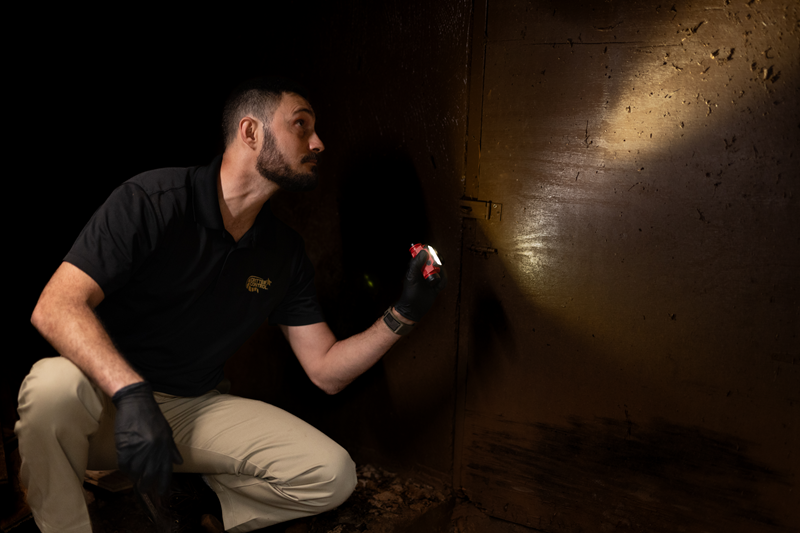
The rat control process starts with a thorough inspection from a certified professional, like our Critter Control service technicians, who will look for signs of rats in your home, such as:
- Entry points that can be as small as a quarter
- Cracks and openings around doors and windows
- Droppings and urine trails along baseboards or appliances
- Nesting activities
- Gnaw marks on wood, plastic, vinyl, wires, etc.
After the inspection, the technician can remove the rats using their equipment.
Rat Trapping and Removal
Trapping is the most effective method of rat control. The size of the infestation determines the number and type of traps, as well as the rat bait to use. Infestation size also determines how long the process takes, which can range from a few days to weeks. For large colonies, you may need other control measures, including tamper-resistant bait stations, around your structure’s perimeter.
The sooner you call professionals, the sooner they can begin trapping and rat removal. They handle everything, including proper disposal and sanitization, so they remove all evidence of rats.
Post-Removal Cleanup
After removing the animal, the wildlife service technician applies sanitization agents to ensure the area is clean and won’t affect you or your family. Traces of rat feces or urine can lead to unwanted consequences, including attracting more rodents and increasing mold growth. Technicians will thoroughly disinfect where necessary, including removing dead rats. That way, you can breathe easier in your home. Beyond sanitation, our specialists will help with certain repairs, such as replacing damaged insulation.
Rat Exclusion and Prevention
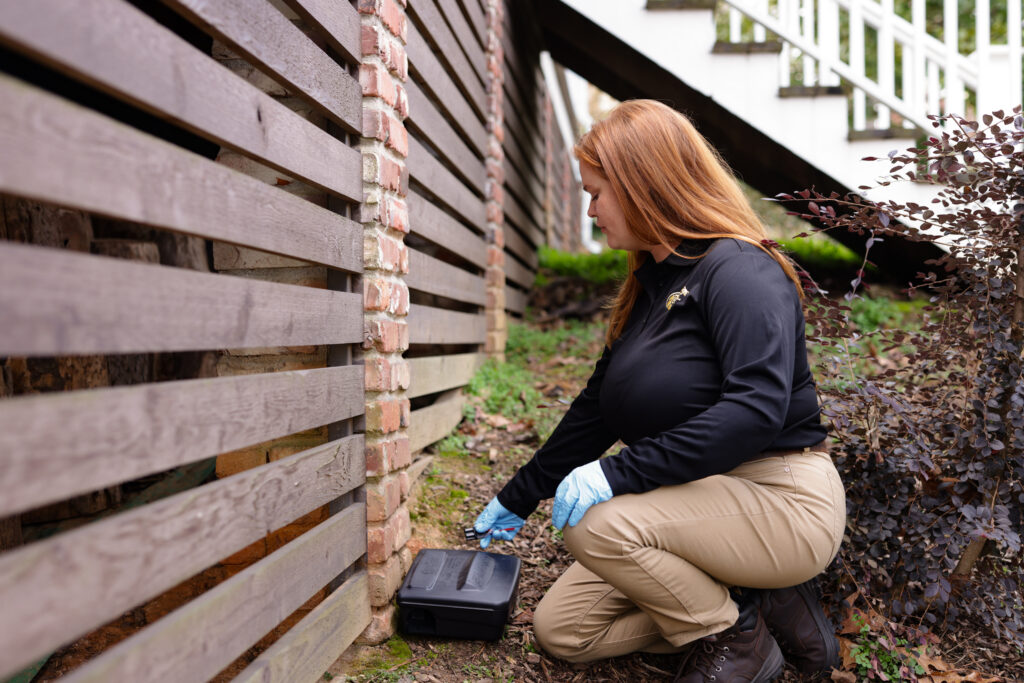
If you remove every rat in your home but don’t implement exclusion and prevention techniques, your home is at risk for future rat activity. One of our technicians’ first exclusion methods is sealing all entry points 1/4 inch or larger.
A few common rat entry points include:
- foundation cracks
- loose-fitting screens
- holes for pipes
- chimneys
- loose soffits
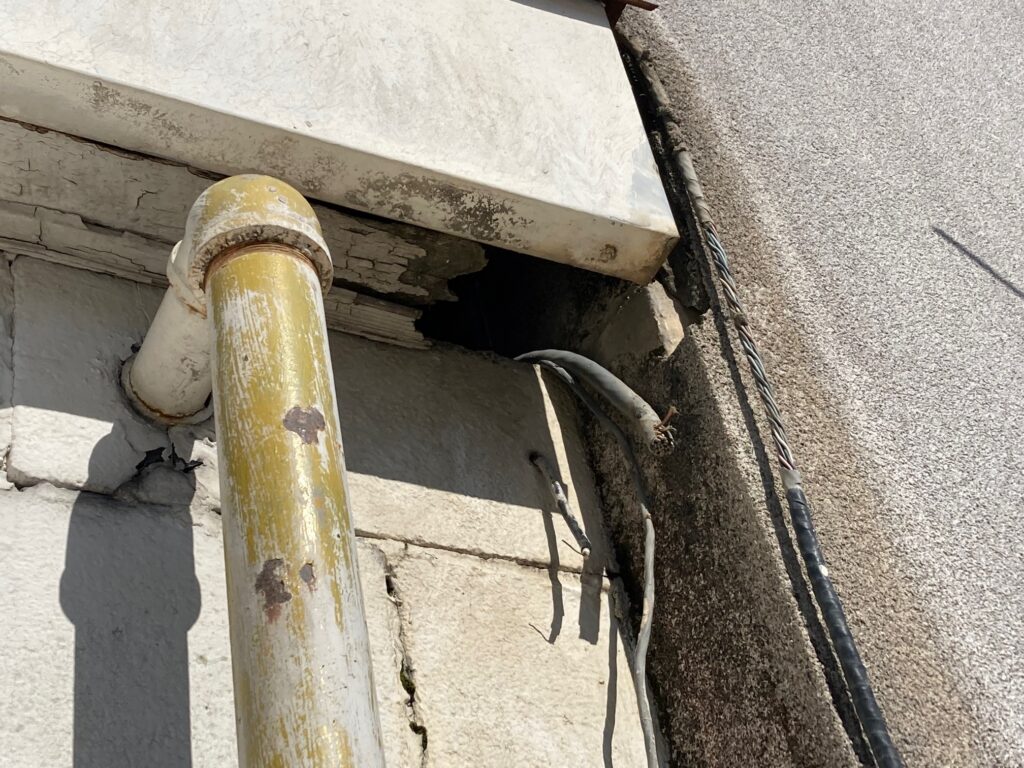
Rats will likely gnaw through materials like plastic, wood, and caulk to get into your home. Professionals use sealants, wire mesh, and other rat-proofing measures to protect your home.
Rats in the Attic
One of the main reasons rats invade homes is to escape cold weather. Because attics are some of the warmest spaces in a house, rodents like Norway and roof rats often build nests in these secluded top stories.
Pests gain entry through vents, gaps in roof eaves, and holes in the building’s exterior. Roof rats are especially talented climbers and easily use tall trees and wires running to and from roofs to gain access.
Signs of Rats in the Attic
Homeowners may notice rats in the attic through sounds, sights, and smells. The most common signs of an infestation are the scratching and scurrying sounds these rodents make. Because rats are nocturnal, they are noisiest when they settle in for the night. Additionally, home residents may notice visual cues such as rat droppings, teeth marks in food containers, and even tracks. Finally, the musky smell of rats, along with malodorous piles of droppings and urine, strongly indicates a rat infestation in the attic.
Rat Damage in Attics
Homeowners are at risk when rats are in the attic. Because rodents must constantly gnaw to keep their teeth manageable, they can damage a building’s structural integrity by chewing through wooden support beams. Rats also target electrical wires, increasing fire risk.
Rats in the Wall
Once inside, rats love settling in dark, secluded areas between walls, where they tear apart insulation for bedding and gnaw on wooden boards. At night, these pests venture into the house to gather food from pantries, countertops, and garbage cans before retreating to their nests in the walls.
To detect rats in walls, residents should look for droppings around homes, oily smudge marks, and gnaw marks on walls and food containers. Droppings are long, cylindrical pellets, typically dark brown, found wherever rats frequent.
Smudge marks appear as greasy patches on floors and walls when the pests’ dirty fur rubs against a surface. Finally, rats use their large front teeth to chew access holes into walls and gnaw open food containers. These openings are ragged around the edges and may only be as large as half an inch in diameter.
Listen for rustling, clawing, and squeaking sounds coming from inside wall cavities. These sounds intensify in the evenings as rodents prepare for a night of activity. Another sure sign of a rat infestation is the pungent smell of urine concentrated within the walls where the pests nest.