
Did you find piles of droppings? Are bats flying out of your attic nightly?
Whether a maternity colony is roosting in your attic during the summer or bats have flown into to escape cold weather, Critter Control has been the trusted choice for professional bat removal for over 40 years.
The cave regions of southern Illinois and the valleys of the Mississippi, Illinois, and Chicago Rivers have ideal natural bat habitats and the highest bat abundance. Big brown bats, little brown bats, Northern long-eared myotis and tri-colored bats are all colonial bats.
Signs of a Bat Problem in Chicago
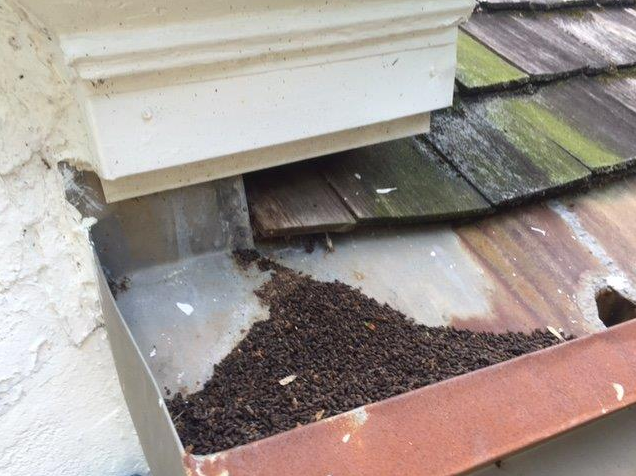
- Guano. Otherwise known as bat droppings, guano will collect on your deck, windowsills, or attic floor.
- Bat noises: You’ll hear bats chirping, squeaking, and scratching or rustling sounds at night or in the early morning
- Stains. Bat fur is greasy, and any small areas they’re using to enter your home will become stained, appearing black and shiny.
- Strange odors. Like many wildlife pests, bats stink, and the larger the infestation, the worse the smell. You’ll smell an ammonia-like odor from their urine.
When is Bat Removal in Chicago?
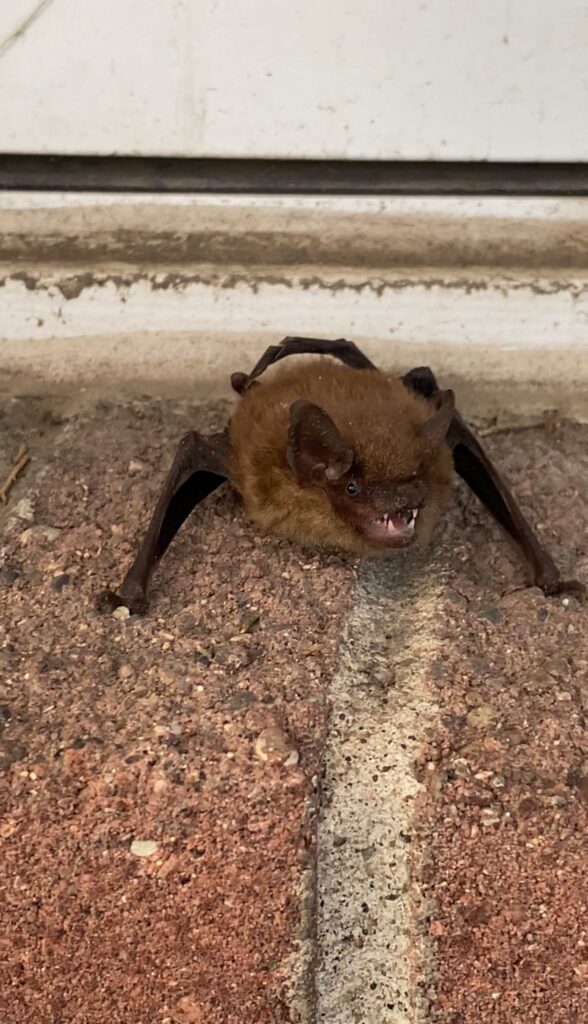
Bat maternity colonies begin to form in early April. These roosts are frequently near areas prone to insect swarms, such as fields, ponds, or neighborhoods. In the late spring or summer, homeowners who see bats leaving an attic or overhang at twilight may need to check for an infestation. Between May 15th and August 5th, you cannot get rid of bats from your attic.
Bat Removal in the Winter in Chicago
During the winter, they usually roost in mines and caves. If natural habitats aren’t available, bats will winter inside buildings. If able, leave the bats alone for the winter and install exclusions once it gets warm.
They enter a state of bat hibernation called torpor. To survive long periods without food, the animals slow their breathing and heart rate, entering a deep sleep. Unlike true hibernation, bats in this state can wake briefly on warmer days and leave their roost to find meals.
If bats are evicted during one of these warmer months, they won’t have a safe place to return when the temperatures drop again.
Bat Problems in Your Attic
One of the most significant bat problems is the collection of bat droppings, also called guano. Bat guano can introduce health risks to you and your family and damage your attic.
Guano provides a hospitable environment for the fungal spores that cause Histoplasmosis, a respiratory illness. When droppings accumulate, the spores become airborne and can be inhaled by residents. During bat removal, the Critter Control experts wear respirators to protect themselves.
Bat guano collects under the roost location. The longer an infestation lasts, the larger the pile of bat droppings. They can contaminate your insulation and weaken your ceiling.
In rare cases, a bat can find itself in the living space of your home. It is exceedingly rare for bats to bite you, but it can be difficult to find a bat bite spot. Additionally, bats are known carriers of rabies. If someone has been in the same room with a bat, it is prudent to seek medical attention or contact the local health department.
Problems with Bats in Walls
In addition to creating noise, a bat in the walls of a house may become stuck. This is especially common for young bats, which have not yet mastered flying. If left alone, trapped bats often starve and die in wall voids, attracting rodents, cockroaches, and other pests with the smell of decay.
How We Get Rid of Bats in Chicago

Inspection & Identification
We find the roosting spots, entry points, and signs of bat activity.

Bat Removal Near You
The only humane bat removal process involves a bat valve which allows bats to evict themselves harmlessly.

Bat Exclusion & Prevention
Once all the bats have removed themselves, we remove the bat valve and seal all entry points.

Bat Exclusion & Prevention
Once all the bats have removed themselves, we remove the bat valve and seal all entry points.
Not only is bat exclusion the most effective way to get rid of bats from roosting in your attic, but it is also the most humane and ethical bat control near you.
Exclusion tubes are one-way, allowing bats in the chimney to leave but not to return. The process typically takes three to seven days to ensure all bats are out. After a final attic inspection, we remove the valve and seal the final exit point.
Once bats are gone, the professionals at Critter Control will remove any feces and apply sanitization agents to decontaminate the area. In extreme cases, we off full attic restorations and reinstall attic insulation.
Critter Control offers professional bat removal across the country. Where you live will determine when bat removal is possible. In colder climates, you cannot remove or disturb bats during hibernation. During the summer, you can evict bats once the pups can fly on their own.